Mounting debt taken on to construct artificial intelligence data centers is prompting renewed warnings of a historic bust reminiscent of 1873, as software laboratories engage in a quiet price war that restricts revenue gains.
Noah Smith 🐇🇺🇸🇺🇦🇹🇼 writes that AI users are beginning to hunt for bargains amid a quiet price war among major laboratories. This competition limits the labs' capacity to boost revenue and pay hyperscalers who have borrowed heavily to finance infrastructure. In an article titled "AI vs. the railroads", Noah Smith 🐇🇺🇸🇺🇦🇹🇼 notes that data center builders such as Amazon, Google, Meta, and Oracle previously paid for facilities using cash generated by software and cloud divisions. However, the buildout has expanded so rapidly that hyperscalers are turning to borrowing, leaving free cash flow negative or projected to turn negative late this year for all hyperscalers except Microsoft.
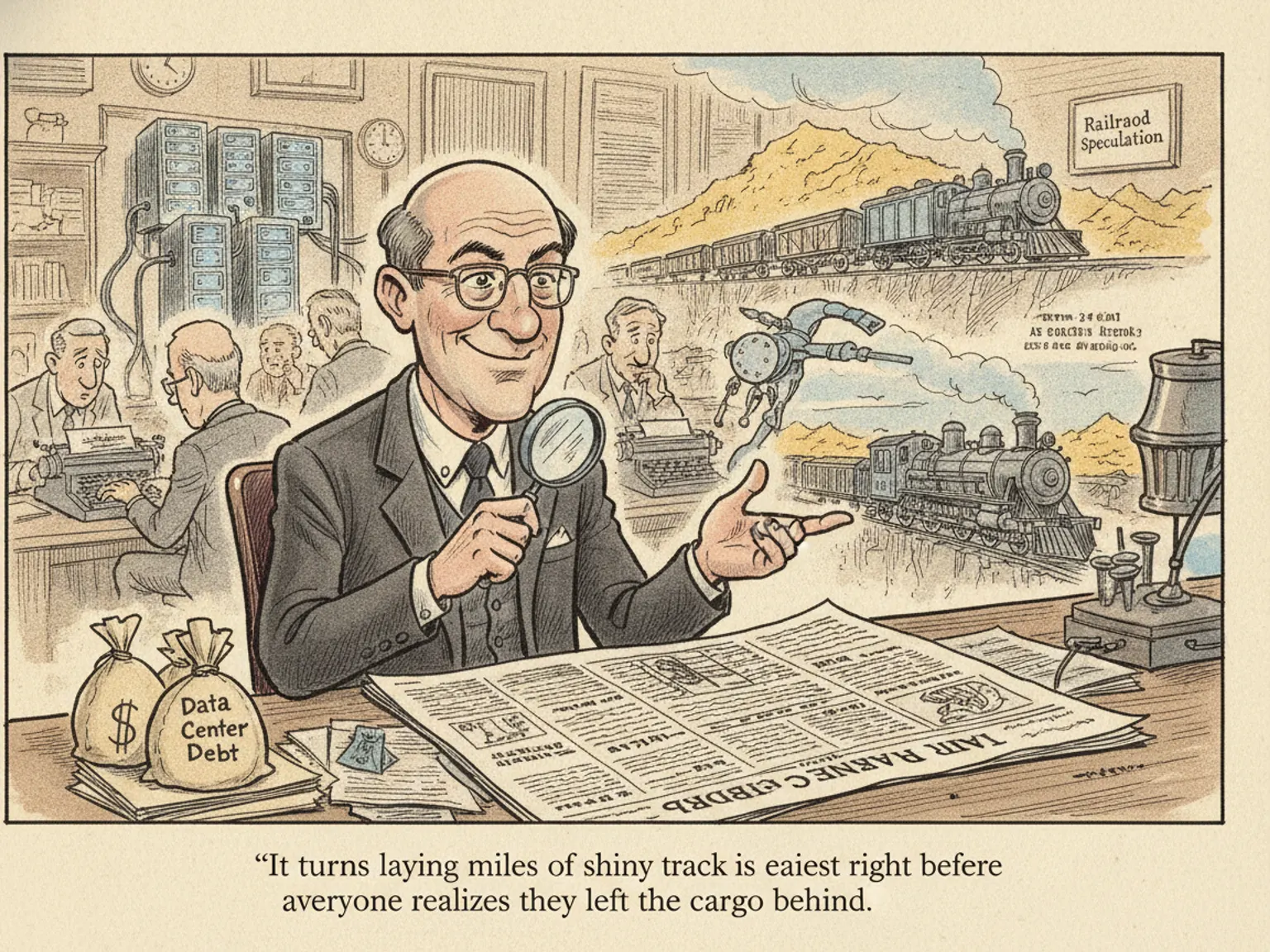
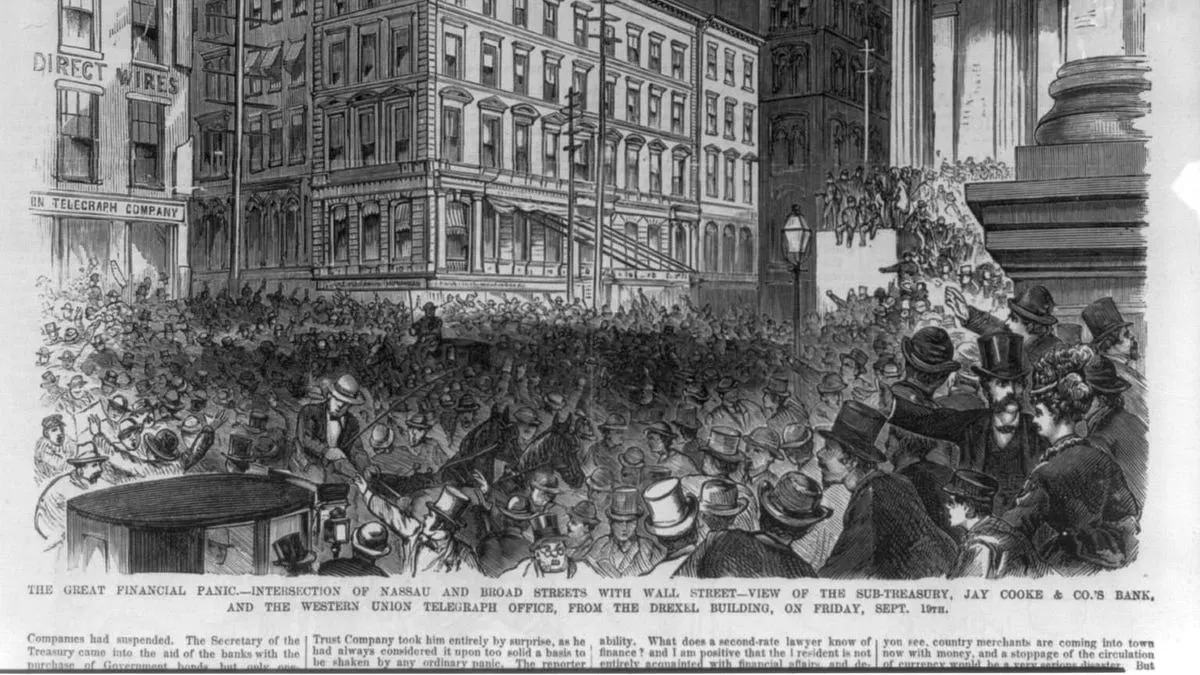
This borrowing surge introduces novel solvency hazards, according to Noah Smith 🐇🇺🇸🇺🇦🇹🇼. While earlier cash-funded spending insulated companies from default if revenues disappointed, debt-financed hyperscalers now require sustained revenue simply to remain solvent. Noah Smith 🐇🇺🇸🇺🇦🇹🇼 compares the dynamic to the 1873 railroad crash, which followed immense infrastructure borrowing and triggered a decade-long depression in the American economy.
Disagreement surrounds the true scale of the capital expenditure boom and how it compares to past historical precedents. According to Noah Smith 🐇🇺🇸🇺🇦🇹🇼, Stijn Van Nieuwerburgh estimates AI spending at 3.63% of gross domestic product, compared to 2.24% of GDP for railroads. In contrast, Paul Graham shared a log-scale graph stating that "There's never been an investment like the investment in railroads." Other sources cited by Noah Smith 🐇🇺🇸🇺🇦🇹🇼 indicate railroad spending peaked at around 5.4% of GDP.
Estimates within the technology industry also diverge widely. In a post cited by Noah Smith 🐇🇺🇸🇺🇦🇹🇼, Azeem Azhar expressed bafflement over AI capital expenditures, observing that Van Nieuwerburgh's United States estimate is 50% higher than global projections from other analysts and questioning the implications for 2026 chip sales. Dylan Patel places the AI boom above 6% of GDP when accounting for fab equipment, chips, energy, and related infrastructure.
Addressing Azeem Azhar, Noah Smith 🐇🇺🇸🇺🇦🇹🇼 explains that the discrepancy between Van Nieuwerburgh and bank projections stems from physical cost assumptions. While banks and rating agencies track announced dollar spending, Van Nieuwerburgh evaluates announced physical construction projects under the assumption that data center construction costs will significantly exceed hyperscalers' internal expectations.
Noah Smith 🐇🇺🇸🇺🇦🇹🇼 observes that revenue recently accelerated following the rollout of Claude Code, Codex, and other agentic coding tools, enriching Anthropic and OpenAI. Nevertheless, Noah Smith 🐇🇺🇸🇺🇦🇹🇼 concludes that because hyperscalers are now taking on heavy debt rather than relying on cash, any interruption to revenue expansion could prompt a destabilizing financial blowup.


 Technology & Chips
 Business & Finance
 Design & Culture